
Gallery Dynamic
"Art History of Fang Lijun II" will open at the United Art Museum on November 16
2025.11.21
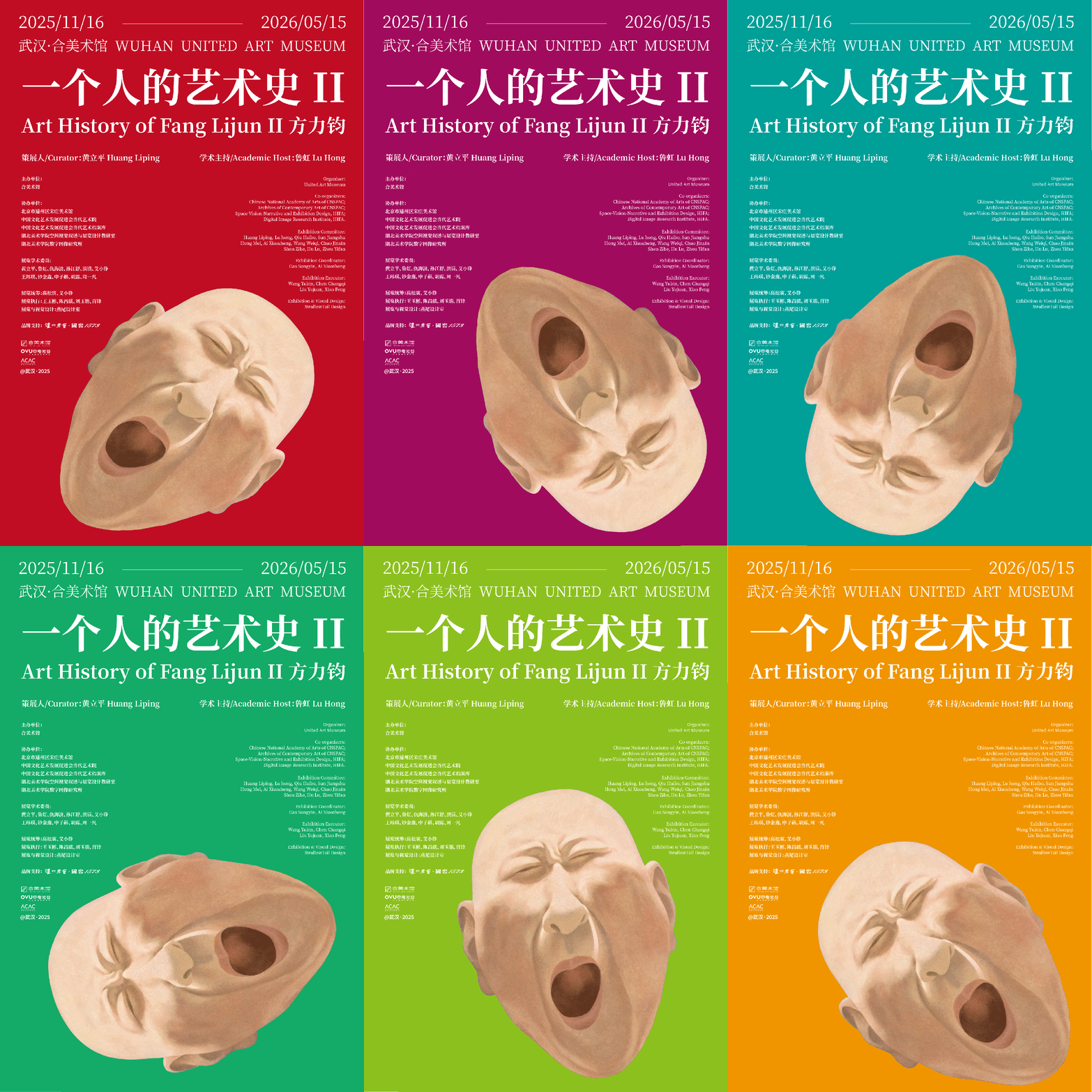
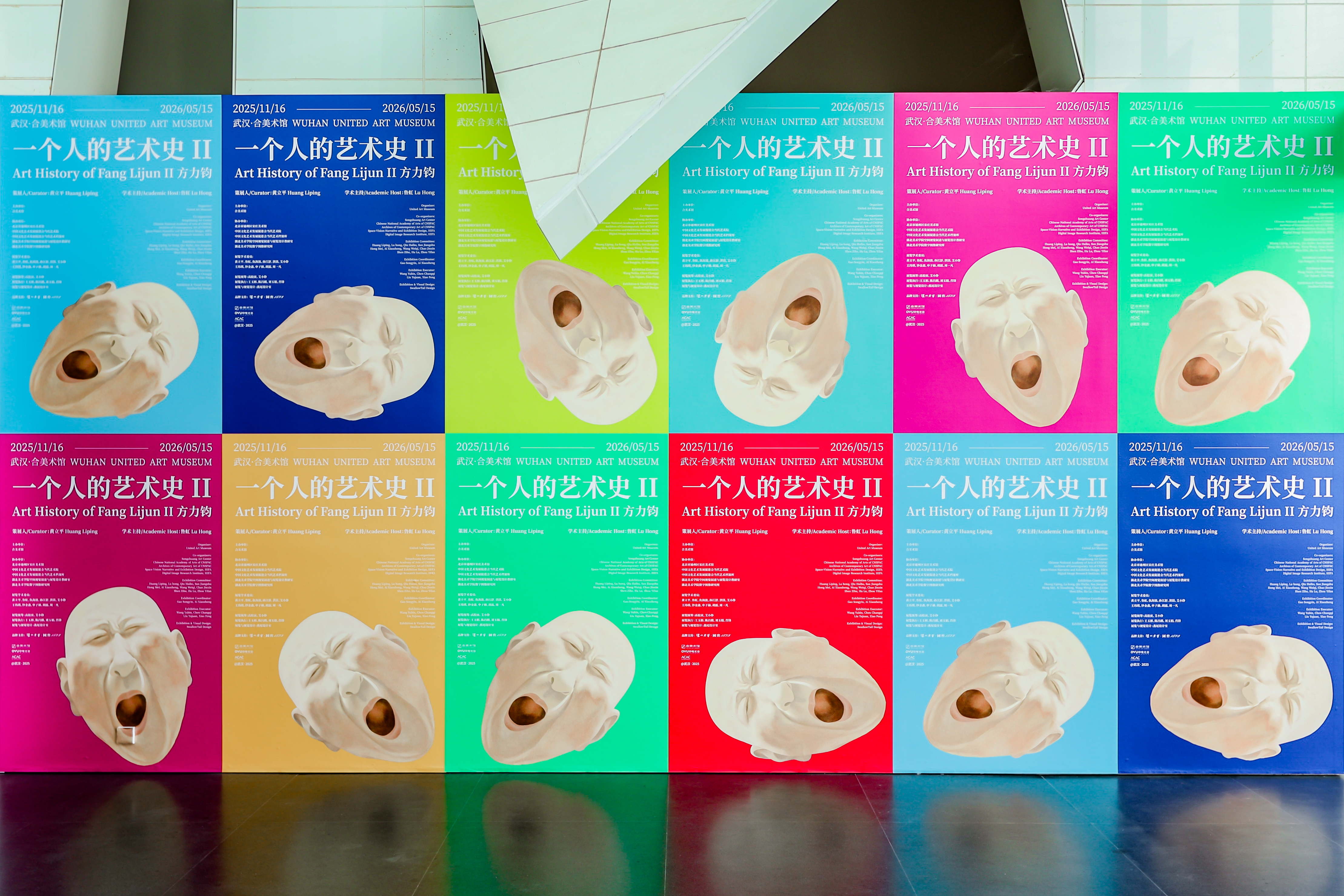

EXHIBITION TITLE
Art History of Fang Lijun II


ARTIST
Fang Lijun


CURATOR
Huang Liping


DURATION
2025.11.16 - 2026.05.15


VENUE
United Art Museum


Artist Fang Lijun presents his latest solo exhibition, Art History of Fang Lijun II, at United Art Museum in Wuhan from November 16, 2025, to May 15, 2026. Curated by United Art Museum founder Huang Liping, the exhibition systematically traces Fang's creative journey spanning over four decades. Through nearly a thousand archival materials—including manuscripts, letters, photographs, and physical artifacts—it reconstructs the artist's life trajectory, which resonates in sync with China's social transformations.

Discovering and revealing the historical significance of contemporary artists' entire artistic practice constitutes the core social value of He Art Museum. In my view, an artist's historical significance largely hinges on whether their artistic ideas and actions profoundly provoke conceptual clashes regarding the relationship between the individual and the era. It was precisely based on this conviction that eight years ago, we presented “An Art History of One Person” at Beijing Minsheng Art Museum—a solo exhibition systematically showcasing Fang Lijun's artistic philosophy and achievements. Though merely one of countless solo exhibitions Fang has held domestically and internationally, the attention garnered by this show revealed the cultural resonance inherent in such an academic perspective. Consequently, we have continually sought opportunities to sustain this narrative approach.

We believe the best way to showcase Fang Lijun's artistic achievements is to explore the powerful sense of era conveyed by his visual artworks as a whole, along with the vivid visual testimony they offer to the evolution of the times. Indeed, Fang Lijun's works are not straightforward historical records or simplistic illustrations. Instead, they deeply embed the artist's perception of an era's atmosphere, warmth, and pulse, along with his observations of the spiritual states of ordinary people—their exhilaration, pain, confusion, and even the complex expressions of those struggling against fate—into diverse forms of art. Together, they form an extraordinary “testimony of the times.”

Last year, United Art Museum decided to launch a series of major documentary exhibitions featuring contemporary artists, and naturally included Mr. Fang Lijun in the first group of artists. While we sought new conceptual themes, after careful deliberation, the curatorial team concluded that “Art History of Fang Lijun I” was the most fitting theme. This exhibition fulfills our shared aspiration—to extend the cultural legacy of the 2017 exhibitions at Beijing Minsheng Art Museum.

Once again entering Fang Lijun's artistic world, we aim to construct a broader temporal and spatial perspective for our audience. Our narrative unfolds from Fang Lijun's cultural roots in art, highlighting the journey from Wangfujing to the Old Summer Palace, from the Old Summer Palace to Songzhuang, and from Songzhuang to the entire world. This approach emphasizes both the conditions that fostered the artist's significant creative achievements and the crucial social landmarks in the development of Chinese contemporary art. Undoubtedly, one defining characteristic of Chinese contemporary art is its intimate connection to contemporary social life, particularly societal transformations. In my view, the most crucial criterion for assessing an artist's achievements lies in the manner and historical scope of their social impact. We have cataloged the representative exhibitions of Mr. Fang Lijun held by major art museums and galleries both domestically and internationally, as well as his significant collections in authoritative art institutions. We have also documented the on-site presence of various art activities initiated or supported by Mr. Fang Lijun, including his contributions to diverse approaches in Chinese art education...

Once again stepping into Fang Lijun's artistic realm, we must still focus on those “bald heads” with their varied expressions and forms. In my view, the “bald head” figures Fang sculpts are a cultural microcosm of an era—the true spiritual essence that survived the historical torrent of great upheaval, having overcome civilization's disguises and hidden behind the masks of familiar identities. What merits deeper reflection is how these figures, over thirty years ago, burst onto the art world's stage with an unprecedented blend of playful satire and ambiguous cultural expression. They instantly struck a nerve deep within the collective psyche of an era of upheaval—yawning, grinned foolishly, or gazed expressionlessly into the distance. With a humor that felt utterly out of place, they bore witness to the persistence, bewilderment, and self-mockery of a generation navigating ideological liberation, social transformation, and the reconstruction of values. It must be acknowledged that this constitutes crucial visual “evidence” of the shifting social psyche of the Chinese people during a period of profound societal transition.

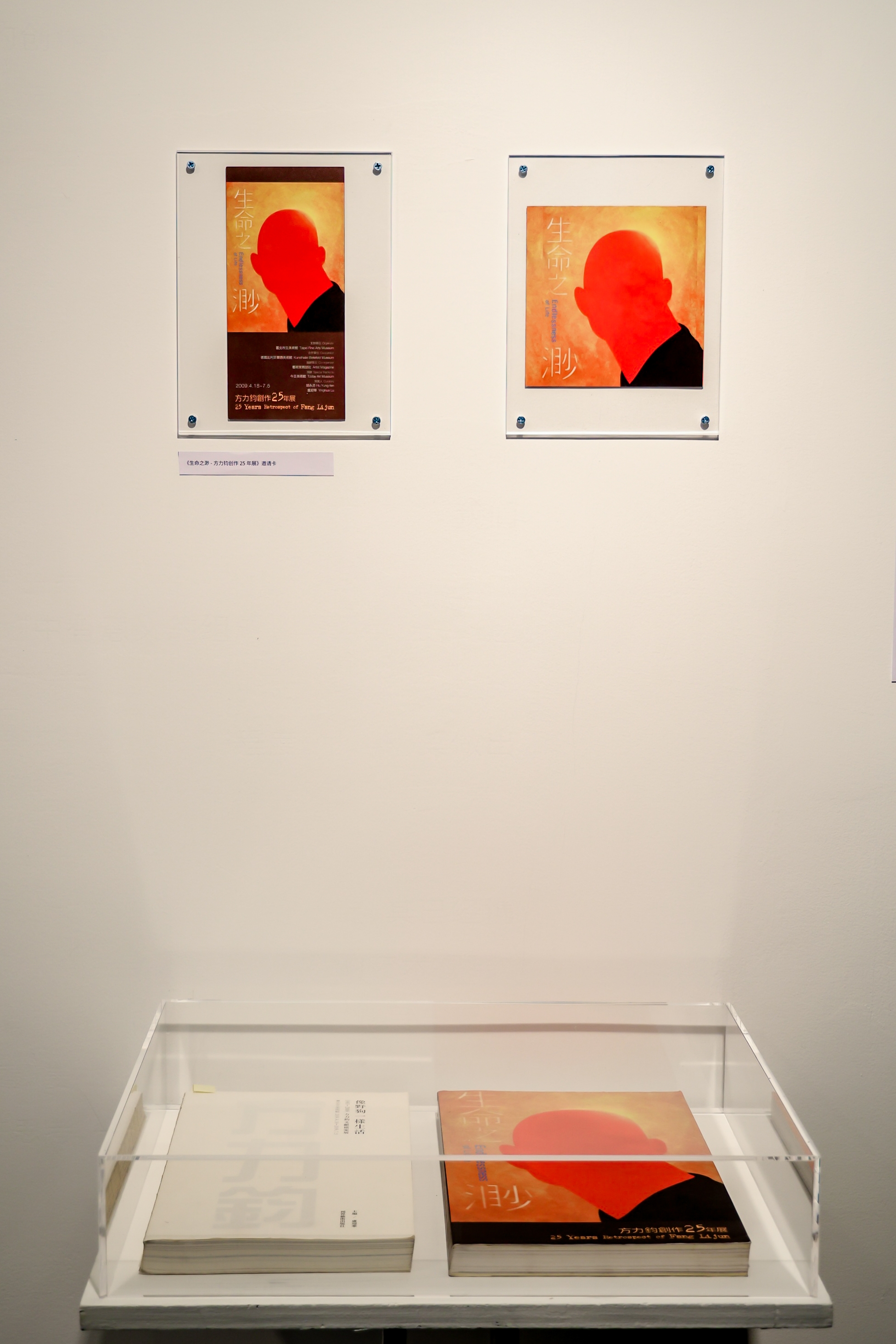
This exhibition, which primarily relies on “documentary evidence,” aims to present the process of this ‘testimony’ to the audience without reservation. If “An Individual's Art History I” was a feast of works, then “II” is more like an intellectual pilgrimage—where yellowed sketches, unfinished manuscripts, enigmatic inspiration notes, vibrant exhibition posters, countless publications, and images of art events collectively form the drafts of this “witness.” They reveal how iconic images emerged from a spark of inspiration, a moment of insight, or an emotional resonance, ultimately crystallizing into symbols of their era.

The cultural significance of “witnessing” extends far beyond mere documentation. Fang Lijun transforms personal life experiences into reflections on the social psychology of a period of great upheaval; extending from the empathy for individual suffering to compassion for humanity's myriad contradictions, conflicts, and misfortunes... This forms profound contemplation on eternal spiritual paradoxes—survival versus deprivation, hope versus disillusionment, resilience versus fragility, nourishment versus consumption, joy versus struggle. What he “witnesses” is not specific individuals or social events, but rather certain ineffable facets and hidden dimensions of the Chinese collective psyche during a period of social transformation—that sense of drifting in search of spiritual anchorage amid immense uncertainty, and the intense yearning for the free and comprehensive development of the human spirit amidst the constraints of various adversities.

Perhaps this is a mirror reflecting the shared past of a generation, a cultural coordinate for understanding social progress from the present moment, and a cultural declaration left for an uncertain future—one that envisions the harmonious coexistence of ecological environments, individual lives, and social ideals.


Artists
Fang Lijun
Fang Lijun (b. 1963, Handan, Hebei) graduated from the Central Academy of Fine Arts,  Printmaking Department  in 1989. In July of the same year, he resided in the Yuanmingyuan area, becoming a key advocate of the "Yuanmingyuan Artists' Village." In 1993, he established the Songzhuang studio, contributing to the formation of the  "Songzhuang Artists' Village." In 2014, he founded the "Archive of Contemporary Art of China," systematically organizing the development of Chinese contemporary art. Since 2004, Fang Lijun has been appointed as a guest professor and graduate mentor at more than twenty institutions, including the Central Academy of Fine Arts, Sichuan Academy of Fine Arts, Jingdezhen Ceramic University, Xi’an Academy of Fine Arts, Wuhan University, and Hubei Academy of Fine Arts.

Fang Lijun’s solo exhibitions have been held in major art institutions worldwide,  including the Ashmolean Museum Oxford, Ludwig Museum,  Stedelijk Museum Amsterdam, The Japan Foundation, Civic Gallery of Modern and Contemporary Art, and Musée Ariana, et cetera. Domestic retrospectives have been mounted at the Shanghai Art Museum, Hong Kong Arts Centre, Macau Museum of Art, Taipei Fine Arts Museum, Hunan Provincial Museum, United Art  Museum, Minsheng Art Museum, and He Art Museum, among other significant venues. Additionally, he has been consistently invited by mainstream international exhibitions, such as the Venice Biennale, Gwangju Biennale, São Paulo Art Biennial, and Shanghai Biennale.

Fang's works are permanently collected by  international museums, in particular the Museum of Modern Art, Centre Pompidou, San Francisco Museum of Modern Art, Seattle Art Museum, Art Gallery of New South Wales, Queensland Art Gallery, Hiroshima City Museum of Contemporary Art, Museum of Contemporary Art Tokyo, and Fukuoka Asian Art Museum. Within China, his works are held by the National Art Museum of China, Contemporary Academy of Fine Arts Art Museum, He Xiangning Art Museum, and Guangdong Museum of Art.

Furthermore, through his artistic career, Fang Lijun has published over 50 monographs, including Fang Lijun: Chronological Notes, Fang Lijun: Works Catalogue, Fang Lijun: Cliff in the Clouds, Fang Lijun: Forbidden Zone, Fang Lijun Prints, and Surviving Like a Stray Dog.  In 1993, his work Series Two No. 2 appeared on the cover of The New York Times.
Learn more >